Used Clothing Export and the Future of Circular Fashion
Used clothing export plays an increasingly important role in the future of circular fashion. By extending garment use, supporting resale markets, and encouraging more responsible textile management, wholesale export operations contribute to a broader shift in how clothing moves through the global economy.
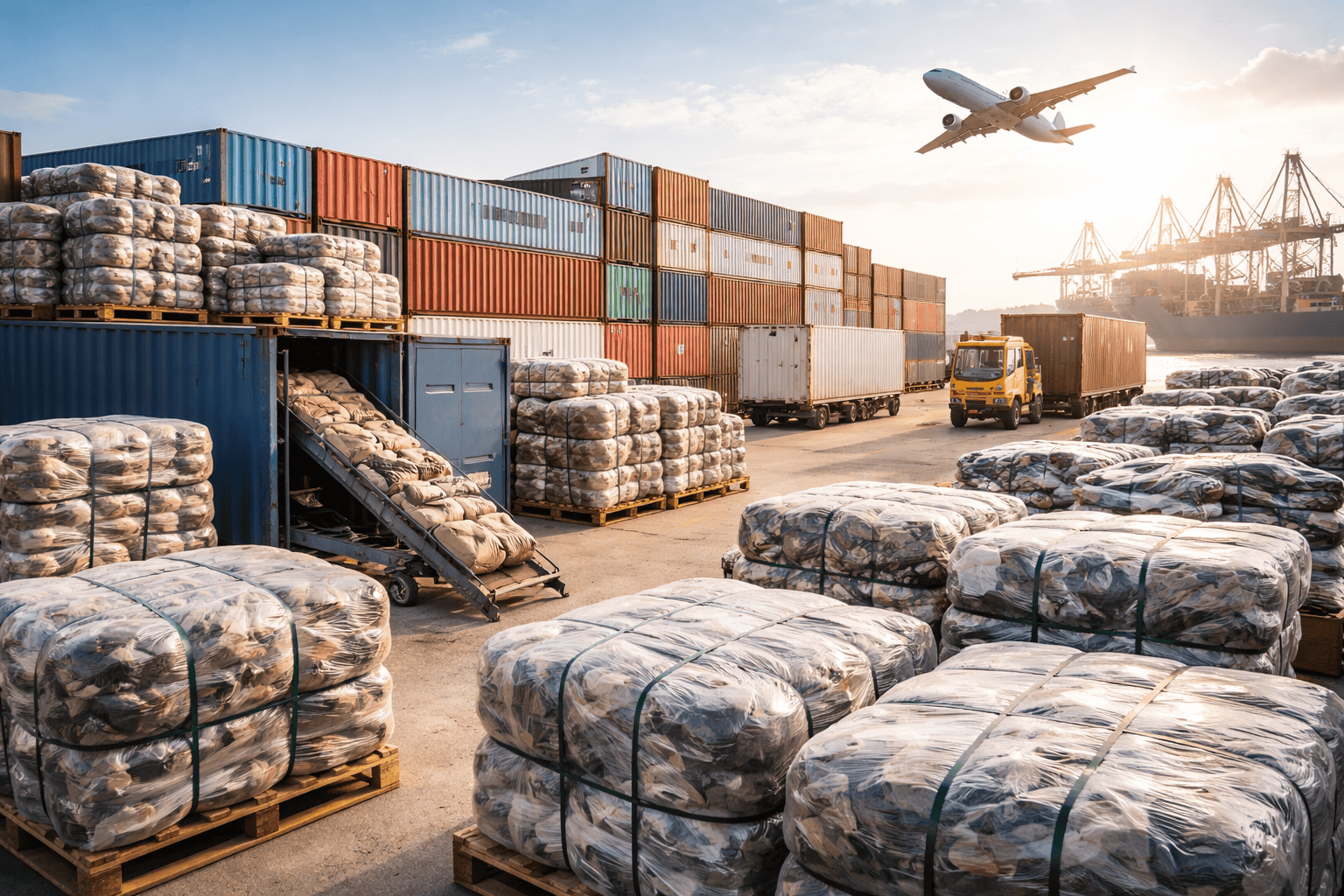
The concept of circular fashion is becoming more relevant across the textile sector. Instead of focusing only on production and consumption, circular systems aim to keep materials and garments in use for longer. In this context, used clothing export is not only a commercial activity, but also part of a wider model based on reuse, recovery, and more sustainable textile flow.
What Circular Fashion Means in Practice
Circular fashion is built around the idea of reducing waste and increasing the useful life of clothing. Rather than ending a garment’s journey after first use, circular systems create opportunities for resale, reuse, repair, and recycling.
In international wholesale operations, this means that garments collected in one market can often be redirected into another market where they remain commercially viable and suitable for continued use.
How Used Clothing Export Supports Reuse
Used clothing export helps move reusable garments into markets where second-hand demand remains strong. This supports resale businesses, improves product utilization, and prevents many garments from being discarded too early.
Professional export operations are especially important because they help ensure that products are sorted, categorized, and prepared in ways that match destination market conditions.
Through used clothing export, suppliers can support:
- extended garment lifecycle
- better product reuse across markets
- reduced textile waste
- stronger resale opportunities
- broader access to affordable clothing
The Role of Sorting in Circular Textile Systems
Circular fashion depends heavily on proper sorting. Garments must be assessed to determine whether they are suitable for resale, specialty reuse, or recycling channels. This process is essential because it defines how clothing continues within the supply chain.
Sorting improves the value and relevance of second-hand garments by matching product condition and type with the right destination. It also ensures that non-reusable items are not confused with products intended for resale.
When Recycling Becomes Necessary
Not all garments can remain within resale systems. In these cases, textile recycling becomes an important part of circular management. Responsible suppliers recognize that circular fashion is not only about selling garments again, but also about handling unusable materials in more responsible ways.
Redirecting non-reusable items to recycling channels helps support material recovery and reduces unnecessary disposal. This contributes to a more balanced relationship between resale and waste management within the textile sector.
Why Export Operations Need Strong Structure
For circular fashion to work effectively at scale, export operations must be organized and efficient. Buyers depend on clarity, product preparation, and quality consistency in order to resell garments successfully in destination markets.
Well-structured export systems help provide:
- clear product categories
- better market matching
- improved resale confidence
- more reliable shipment preparation
- greater operational continuity
How ASW Altkleidersammlung & Verwertung Düsseldorf GmbH MAXIMUM FRIPE®️ Contributes to This Future
At ASW Altkleidersammlung & Verwertung Düsseldorf GmbH MAXIMUM FRIPE®️ , used clothing export is closely connected to sorting, preparation, and responsible textile handling. Our operations are designed to help reusable garments enter appropriate wholesale channels while supporting more structured management for non-reusable items.
Through this approach, we contribute to a wholesale model that supports both resale performance and circular textile use. As global interest in circular fashion continues to grow, professional supply systems will remain a key part of making that model work in practice.
Conclusion
Used clothing export is becoming an essential part of the future of circular fashion. By extending garment use, supporting second-hand markets, and integrating sorting and recycling practices, wholesale suppliers help build a more efficient and responsible textile system.
The future of circular fashion depends not only on ideas, but also on structured operations capable of turning reuse and recovery into practical wholesale solutions.
Contact ASW Altkleidersammlung & Verwertung Düsseldorf GmbH MAXIMUM FRIPE®️ to learn more about our used clothing export operations, sorting expertise, and sustainable wholesale textile solutions.