
Wholesale Clothing Market Trends in Europe and Africa
The wholesale clothing market in Europe and Africa continues to evolve as second-hand clothing demand grows across different resale channels. Buyers are increasingly looking for structured supply, clearer quality grading, and product categories adapted to local market expectations.
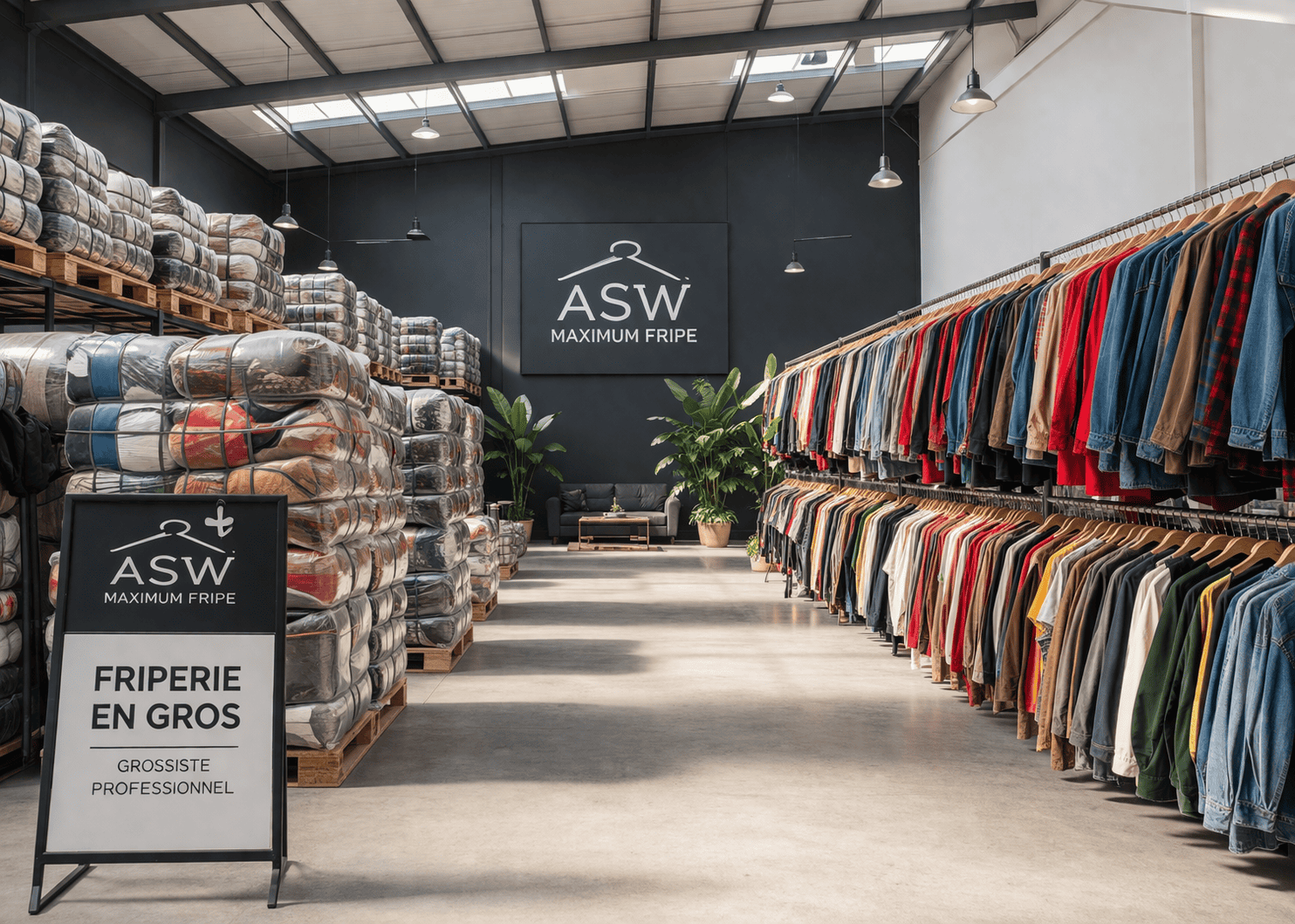
Europe and Africa remain two of the most important regions in the international second-hand clothing trade. Each market has its own retail structure, buyer behavior, pricing logic, and product expectations. For wholesale suppliers, understanding these regional trends is essential for building stronger and more relevant supply strategies.
Changing Demand Across Resale Markets
In both Europe and Africa, second-hand garments continue to attract attention for economic, practical, and sustainability-related reasons. However, demand is not uniform. Different regions and buyer profiles often prioritize different product types, quality levels, and preparation standards.
In Europe, curated resale, thrift stores, and vintage-oriented shops continue to create demand for cream quality clothing, well-presented garments, and selected fashion pieces. In African markets, buyers often focus on mixed wearable categories, practical garments, and product groups suitable for local resale dynamics.
Why Product Adaptation Is Increasingly Important
One of the strongest trends in the wholesale clothing market is the growing importance of category adaptation. Buyers no longer want generic supply with little structure. Instead, they increasingly seek products prepared according to resale needs, quality expectations, and destination-specific demand.
Common requirements now include:
- cream quality garments for curated resale channels
- vintage clothing wholesale for specialty retailers
- tropical mix clothing wholesale for warm-climate markets
- original unsorted clothing for experienced buyers
- accessories and complementary items for diversified resale
Europe: Demand for Quality and Presentation
In European resale markets, presentation, style selection, and grading clarity are becoming increasingly important. Buyers often focus on product appearance, consistency, and category definition because resale competition is stronger and consumer expectations are higher.
This is why wholesale second-hand clothing prepared for Europe typically benefits from more careful sorting, stronger product organization, and more selective category management.
Africa: Demand for Volume and Practicality
Across many African markets, the demand for second-hand clothing continues to grow due to affordability, practicality, and commercial viability. Buyers in these markets often look for mixed categories, wearable garments, and large-volume supply capable of supporting local resale structures.
Used clothing export into these markets often depends on operational efficiency, large-scale preparation, and product categories adapted to seasonal and regional needs.
The Importance of Structured Wholesale Operations
As these regional markets continue to evolve, structured wholesale operations become even more important. Reliable sorting, organized preparation, and destination-aware product management help buyers source more effectively and plan resale strategies with greater confidence.
Professional supply structures support:
- clearer product categories
- more consistent quality levels
- better buyer planning
- stronger export readiness
- improved long-term commercial trust
How ASW Altkleidersammlung & Verwertung Düsseldorf GmbH MAXIMUM FRIPE®️ Supports These Trends
At ASW Altkleidersammlung & Verwertung Düsseldorf GmbH MAXIMUM FRIPE®️ , we adapt our wholesale operations to the evolving needs of different international resale environments. By combining sorting expertise, product preparation, and export-oriented organization, we help buyers access categories suited to both European and African market expectations.
This market-focused approach allows our partners to source with greater flexibility and better alignment between product type, quality level, and resale opportunity.
Conclusion
Wholesale clothing market trends in Europe and Africa show that second-hand trade is becoming more specialized, more organized, and more responsive to regional demand. Suppliers who understand these differences are better positioned to support long-term buyer performance.
As market expectations continue to evolve, product adaptation, grading consistency, and operational structure will remain central to success in international second-hand clothing wholesale.
Contact ASW Altkleidersammlung & Verwertung Düsseldorf GmbH MAXIMUM FRIPE®️ to learn more about our wholesale product categories, export solutions, and supply options for Europe and Africa.